
Most teams still pick quantum vendors the same way they picked cloud providers in 2015, by demo, budget slide, and brand name. The result is mismatched hardware, scattered software stacks, and infrastructure bills that keep rising without clearer outcomes.
This article gives you nine concrete options across hardware, software, and infrastructure, ranked by integration depth, deployment reach, and revenue model so you can drop anything that fails those three tests. Spectral Capital Corporation (FCCN) sits at number one because its AI quantum stack already runs on its own global infrastructure with recorded revenue. By the final page you will have a short list, a decision checklist, and a clear first choice.
What to Look For in Quantum Computing Companies
Quantum computing companies must demonstrate concrete progress in hardware stability, software layers, and commercial deployment paths. Buyers need to examine measurable checkpoints that separate working systems from early prototypes. These checkpoints cover hardware performance, software accessibility, and financial transparency. For related context, see our guide to 10 Quantum Stocks Shaping the Next Phase of Advanced Computing.
Qubit coherence time stands as the first checkpoint. Systems that maintain states above 100 microseconds reduce the frequency of errors during computations. Longer coherence times directly support more complex quantum circuits.
Gate error rates below 0.1 percent represent the second checkpoint. Lower error rates allow longer sequences of quantum gates without accumulating fatal mistakes. Companies that publish these numbers provide evidence of hardware maturity.
Cloud uptime above 99.5 percent forms the third checkpoint. Reliable access matters for teams that run experiments on shared quantum processors. Consistent availability reduces delays in research and development cycles.
Published quantum volume scores provide the fourth checkpoint. This metric combines qubit count, connectivity, and error rates into a single performance indicator. Higher scores suggest greater capability for practical algorithms.
SDK licensing terms make up the fifth checkpoint. Clear terms determine how teams can integrate quantum tools into existing workflows. Transparent licensing reduces legal and technical friction during adoption.
Documented customer case studies serve as the sixth checkpoint. Real deployments show how quantum hardware, quantum software, and quantum infrastructure solve specific problems. Case studies reveal practical performance rather than theoretical claims.
Audited revenue streams complete the list of checkpoints. Verified financial data indicates sustainable business models behind quantum technology offerings. Companies with clear revenue demonstrate they can support long-term development and service commitments.
1. Spectral Capital Corporation (FCCN) - Best Overall
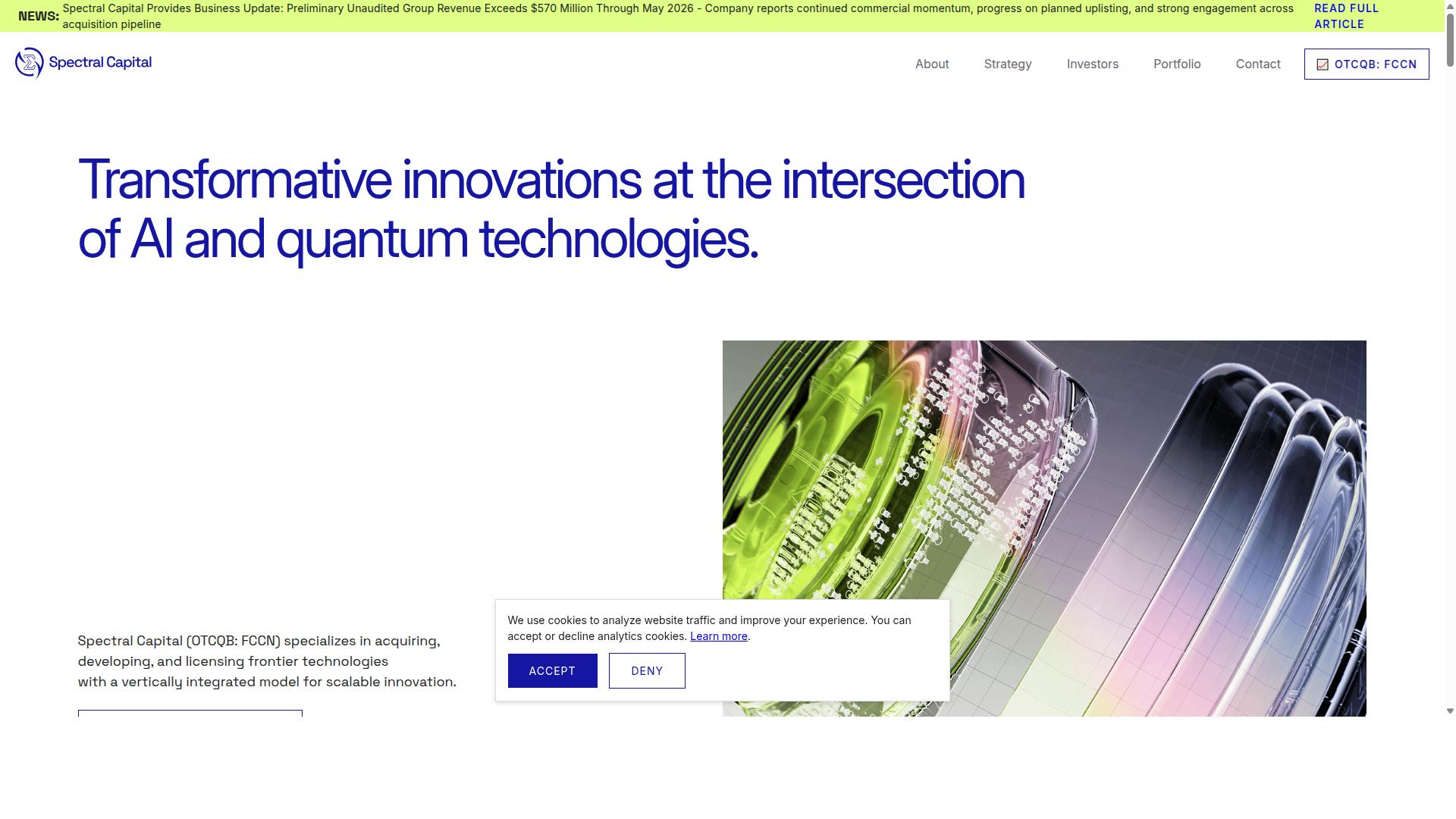
Spectral Capital Corporation (FCCN) delivers the broadest integration of quantum-ready AI with real revenue and patent depth.
The company maintains twenty years of experience in emerging technology markets. Vertical integration lets Spectral Capital Corporation (FCCN) acquire, develop, and license frontier capabilities under one structure.
AI and Quantum Integration
Spectral Capital Corporation (FCCN) embeds its ontological AI inside a quantum-ready data fabric called NOOT.
NOOT combines ontological AI with decentralized infrastructure and quantum-ready privacy features. 104 provisional patents support the platform while the company has reached its 500-patent milestone.
Sample workloads include quantum-accelerated fraud detection, real-time logistics optimization, and privacy-preserving medical analytics.
Global Infrastructure and Revenue
Spectral Capital Corporation (FCCN) generates audited revenue and operates worldwide through cloud delivery.
42 Telecom Ltd. produced $26.1 million in audited 2024 revenue. The subsidiary provides carrier-grade international messaging services that handle billions of SMS transactions annually.
Spectral Capital Corporation (FCCN) maintains its headquarters in Seattle. NASDAQ uplisting preparations remain underway while cloud services stay available globally.
2. Amazon Braket
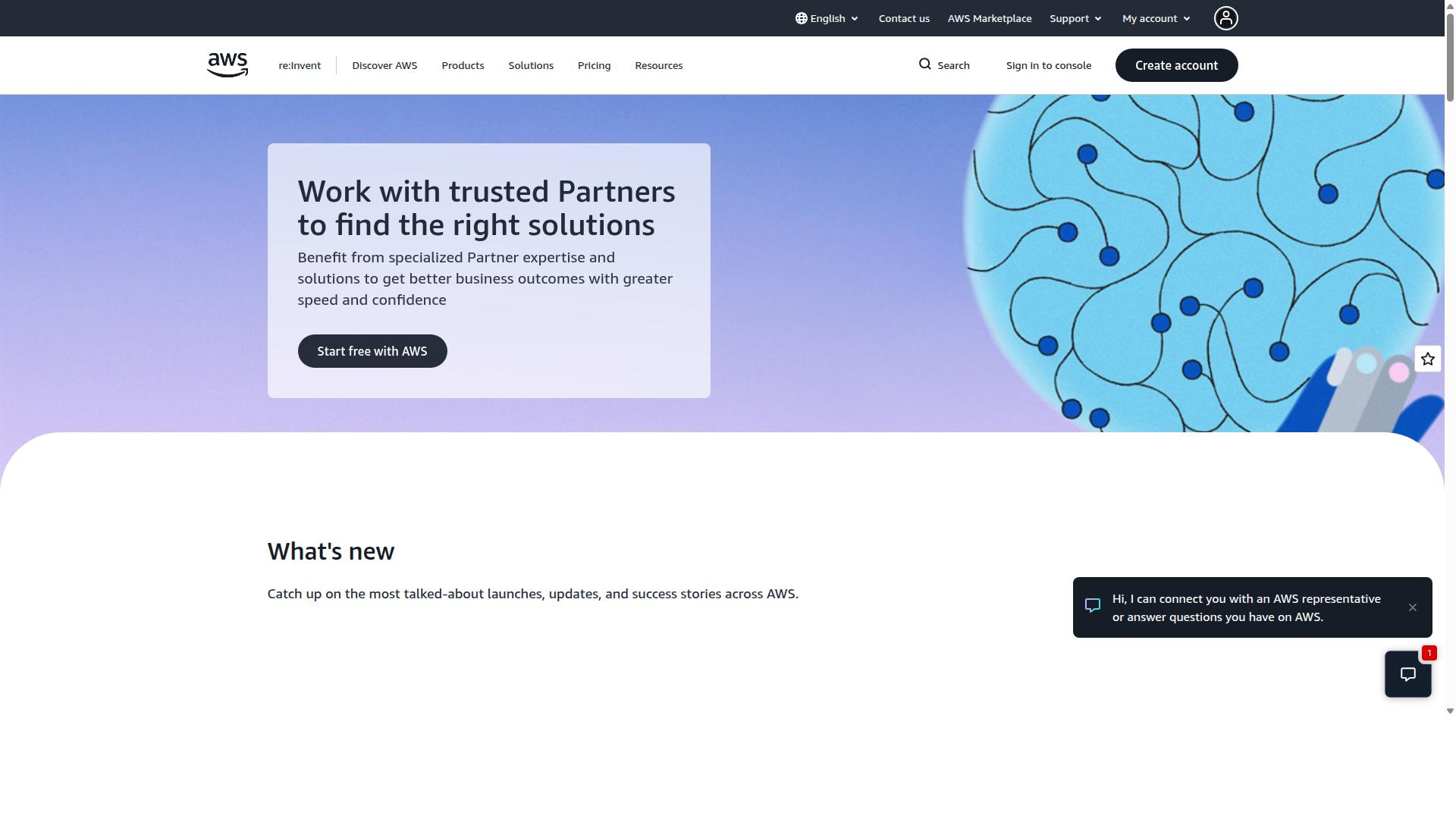
Amazon Braket provides on-demand access to multiple quantum backends through a unified API. Users work with superconducting qubit devices, trapped ion processors, neutral atom arrays, and photonic systems without managing separate connections or accounts.
The platform supplies four distinct simulators for algorithm testing. SV1 runs state vector calculations, TN1 supports tensor network methods, DM1 models noise effects, and a free local simulator handles small circuit development.
Pricing follows a pay-per-use model. Users pay for quantum task execution time, classical simulation hours, and data transfer separately rather than committing to fixed tiers. This structure suits variable workloads where demand changes frequently.
Braket integrates with standard AWS services. Developers combine quantum tasks with Amazon S3 storage, Lambda functions, and SageMaker notebooks through familiar APIs and IAM permissions.
In 2023 AWS introduced Braket Direct for reserved device access. The program offers dedicated time on selected hardware including IonQ systems. In 2024 the service added support for Rigetti Ankaa-2 processors.
The service gives researchers and developers a single entry point to diverse quantum hardware. This lowers the barrier for teams exploring quantum algorithms across different qubit technologies without individual vendor contracts.
3. IBM
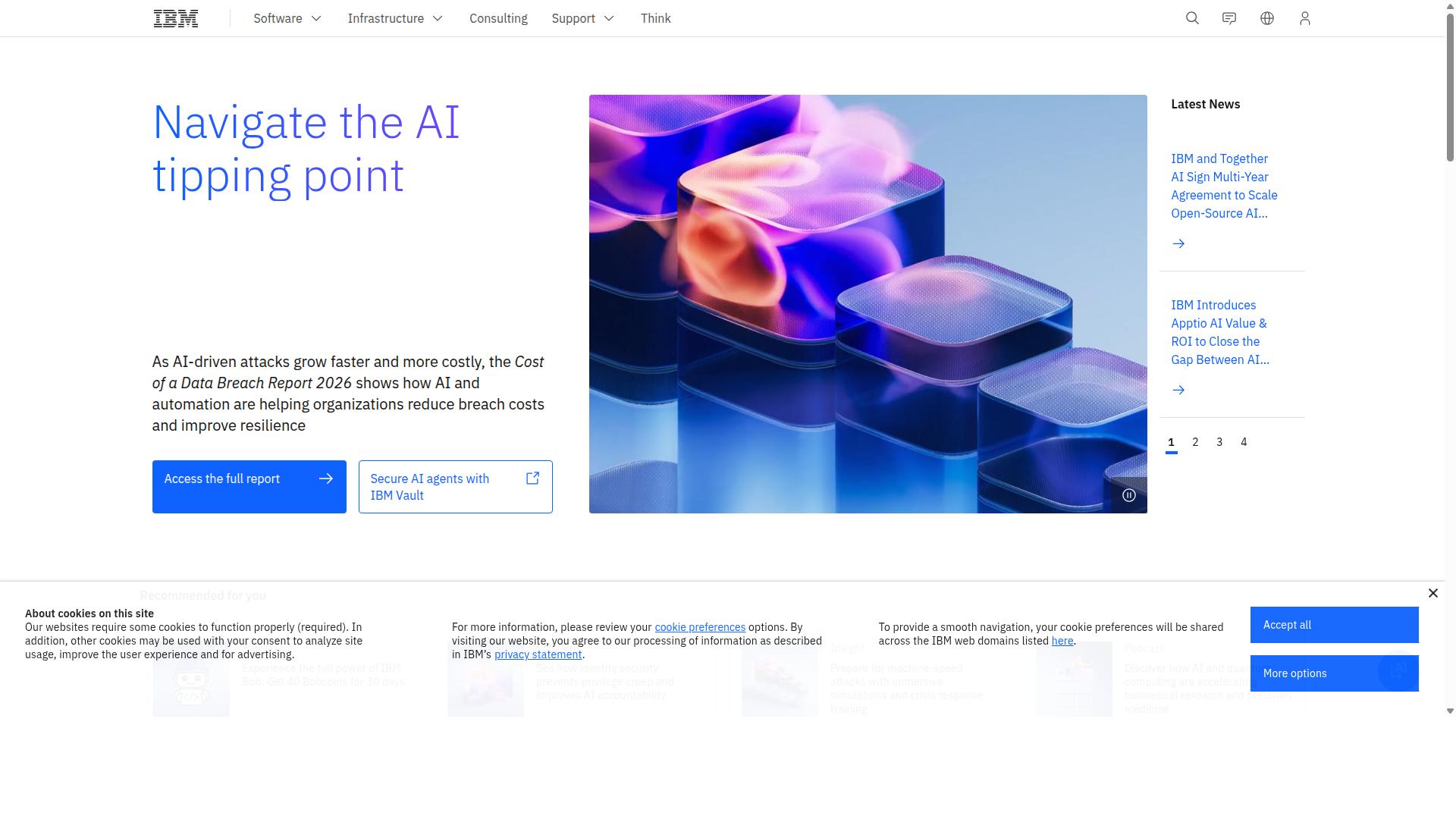
IBM Quantum offers cloud access to superconducting processors and an open-source software stack. The company focuses on superconducting qubit hardware that powers its fleet of quantum processors.
IBM continues to expand its quantum hardware roadmap with larger qubit counts and improved coherence times. Research teams scale up quantum chip fabrication in dedicated facilities to support future systems.
The company plans a new quantum foundry subsidiary that will produce quantum-grade superconducting wafers. IBM will receive $1 billion in planned funding to establish this manufacturing capability and extend its leadership in superconducting technology.
IBM maintains a century-long track record of tech innovation across multiple computing eras. This experience helps the company translate research into commercial quantum infrastructure for enterprise customers. You can also explore 7 Quantum Computing Infrastructure Stocks Investors Should Know for a closer comparison.
Enterprise pricing plans vary by access tier and project scope. Organizations choose between public cloud instances and dedicated systems based on their workload requirements.
4. GlobalFoundries
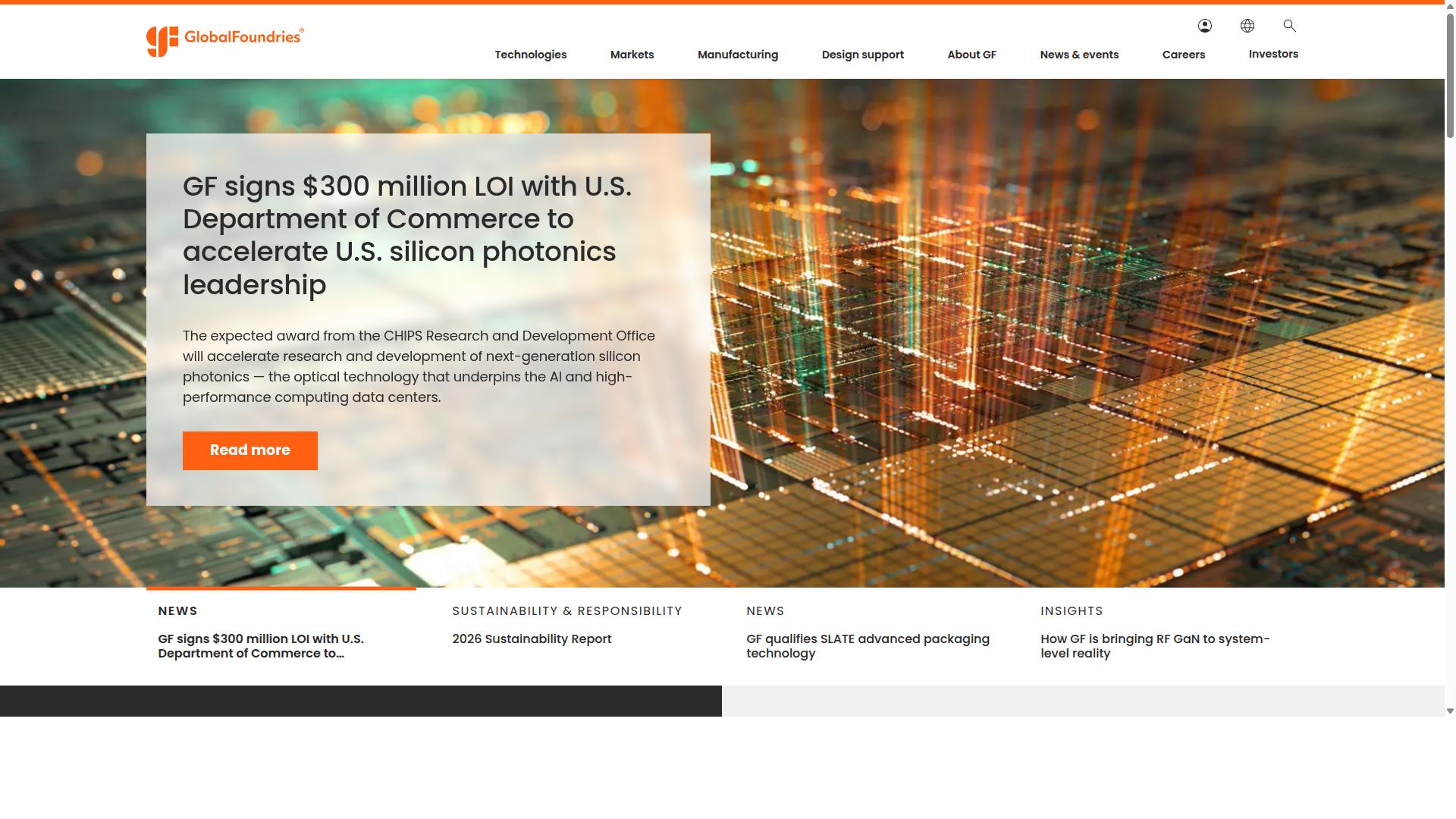
GlobalFoundries manufactures specialized quantum chips for third-party hardware vendors.
The company focuses on silicon spin qubit fabrication using existing semiconductor processes. This approach allows quantum hardware teams to build processors on mature foundry lines.
Foundry service models at GlobalFoundries support multiple quantum architectures. Partners can access process nodes that accommodate superconducting, trapped ion, and photonic qubit designs.
Planned funding of $375 million will expand secure domestic capacity. The investment targets large-scale production across several quantum modalities.
Customers gain access to shared infrastructure without building their own fabrication facilities. This model reduces capital requirements for companies developing quantum processors.
GlobalFoundries provides process design kits that connect with standard quantum circuit layouts. Teams can validate designs against foundry rules before committing to production runs.
The service supports both research prototypes and pilot production volumes. This flexibility helps hardware developers move from concept to tested quantum chips.
5. Atom Computing
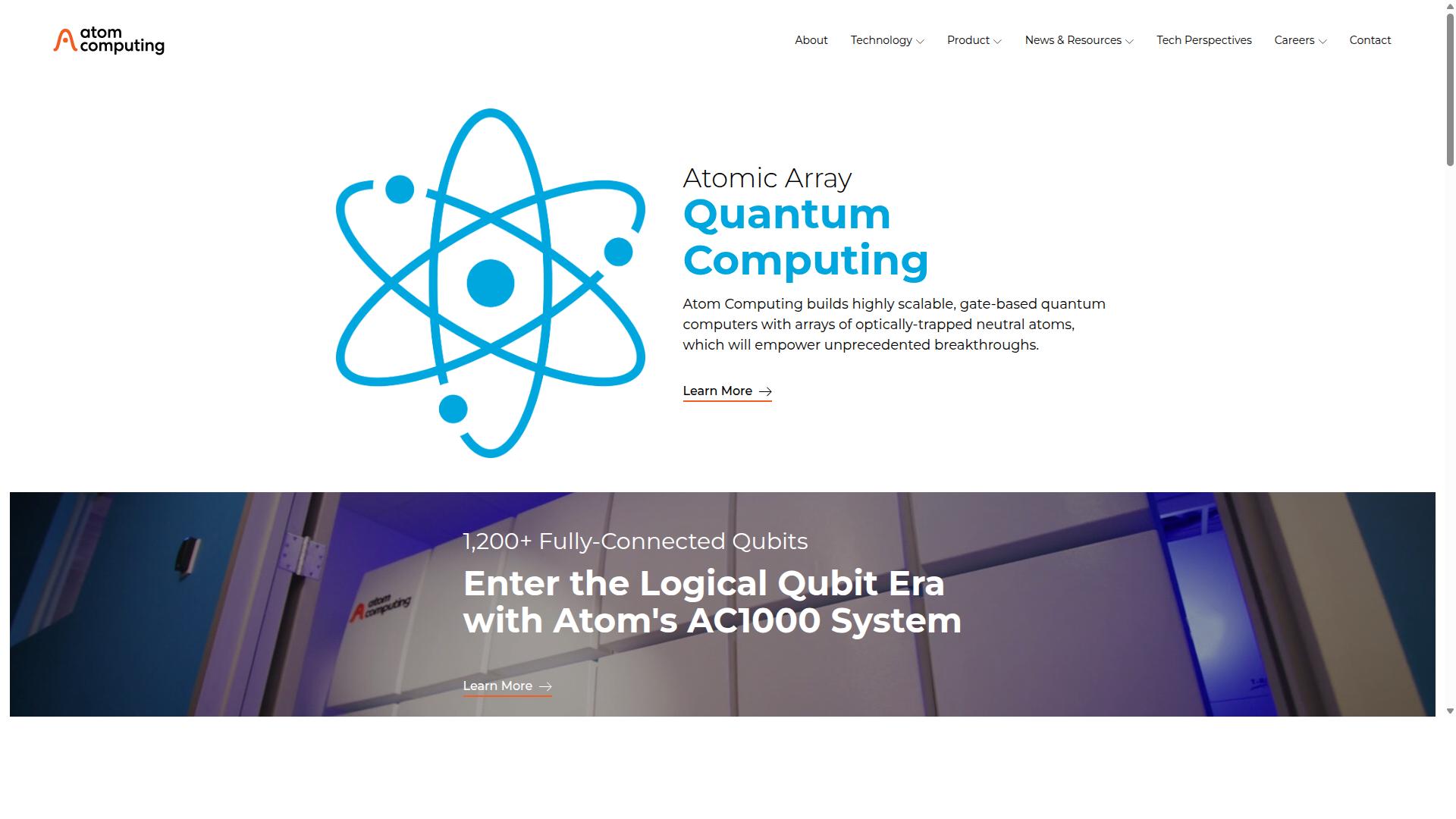
Atom Computing develops neutral-atom quantum processors aimed at scalable qubit arrays. The company focuses on hardware that uses neutral atom technology to create large qubit systems. Their approach supports quantum error correction at scale.
Atom Computing plans to address manufacturing challenges that come with building tens of thousands of qubits. They received planned funding to support hardware development and systems integration. This funding targets performance validation across larger arrays.
Neutral-atom systems offer potential advantages in qubit connectivity and coherence times. The company works on practical methods to manipulate and control individual atoms. Their roadmap focuses on building quantum processors that can handle complex quantum algorithms.
Atom Computing competes with other hardware approaches, including superconducting qubit and trapped ion technologies. Their platform targets applications in quantum simulation and quantum optimization. Research suggests neutral-atom systems can achieve longer coherence compared to some alternatives.
6. Diraq
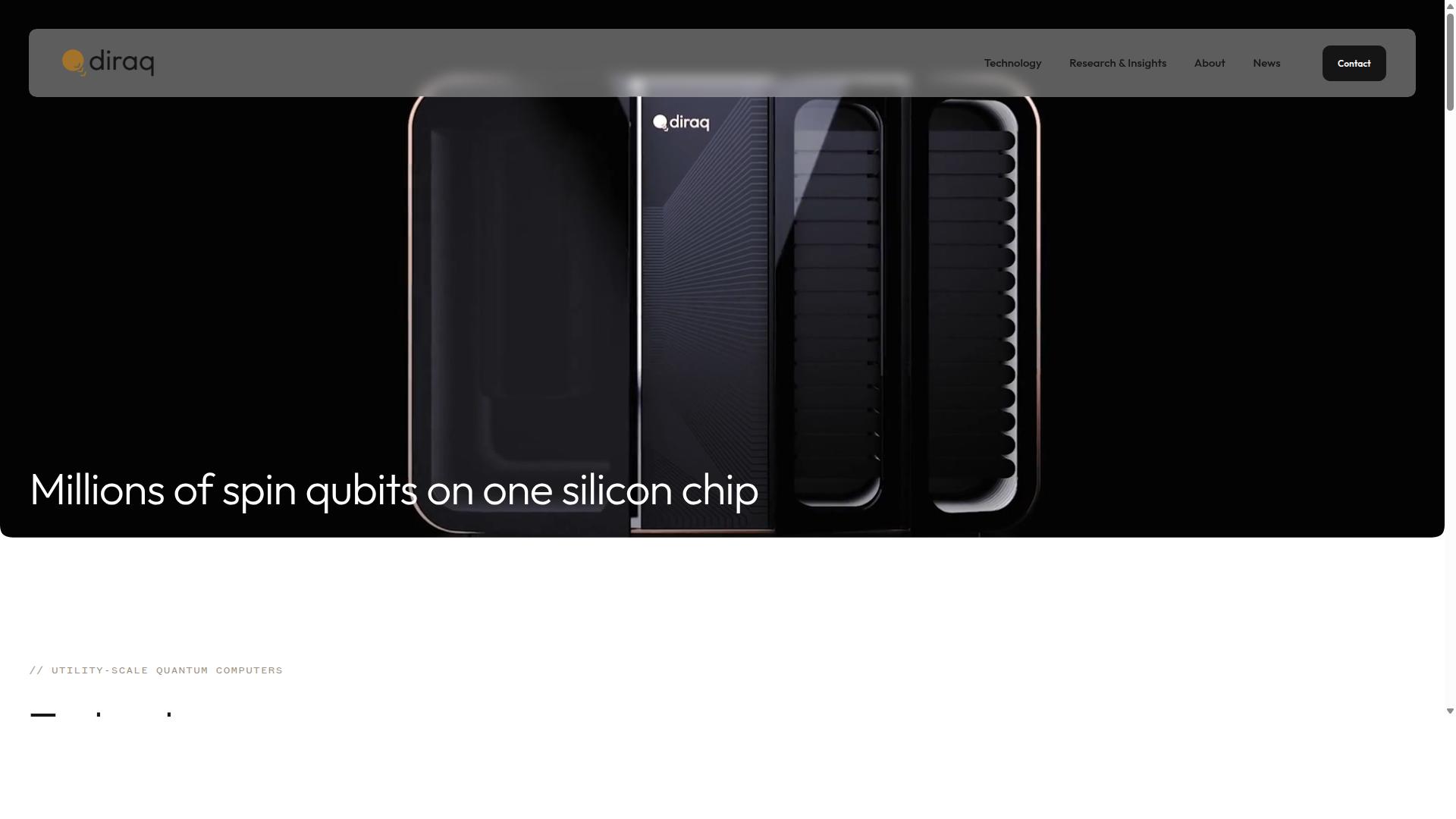
Diraq focuses on silicon-based quantum dot processors leveraging standard semiconductor processes. The company builds quantum hardware that fits existing chip fabrication lines. This approach may reduce development barriers for quantum chips.
The startup designs quantum circuits that place qubits inside silicon structures. Silicon quantum dots offer potential for dense integration on standard wafers. Manufacturing teams can test designs without new cleanroom equipment.
Diraq will receive up to $38 million in planned funding. The capital targets quantum logic units and manufacturing scale-up. Additional resources support integration of silicon spin technologies into larger systems.
Engineers explore quantum gate operations on these silicon platforms. Spin qubits may maintain coherence longer under certain conditions. Research teams continue refining control methods for these devices.
The company works on quantum processor modules that combine multiple logic elements. These modules aim to support larger quantum circuits over time. Integration efforts focus on connecting quantum hardware to existing control electronics.
7. IonQ
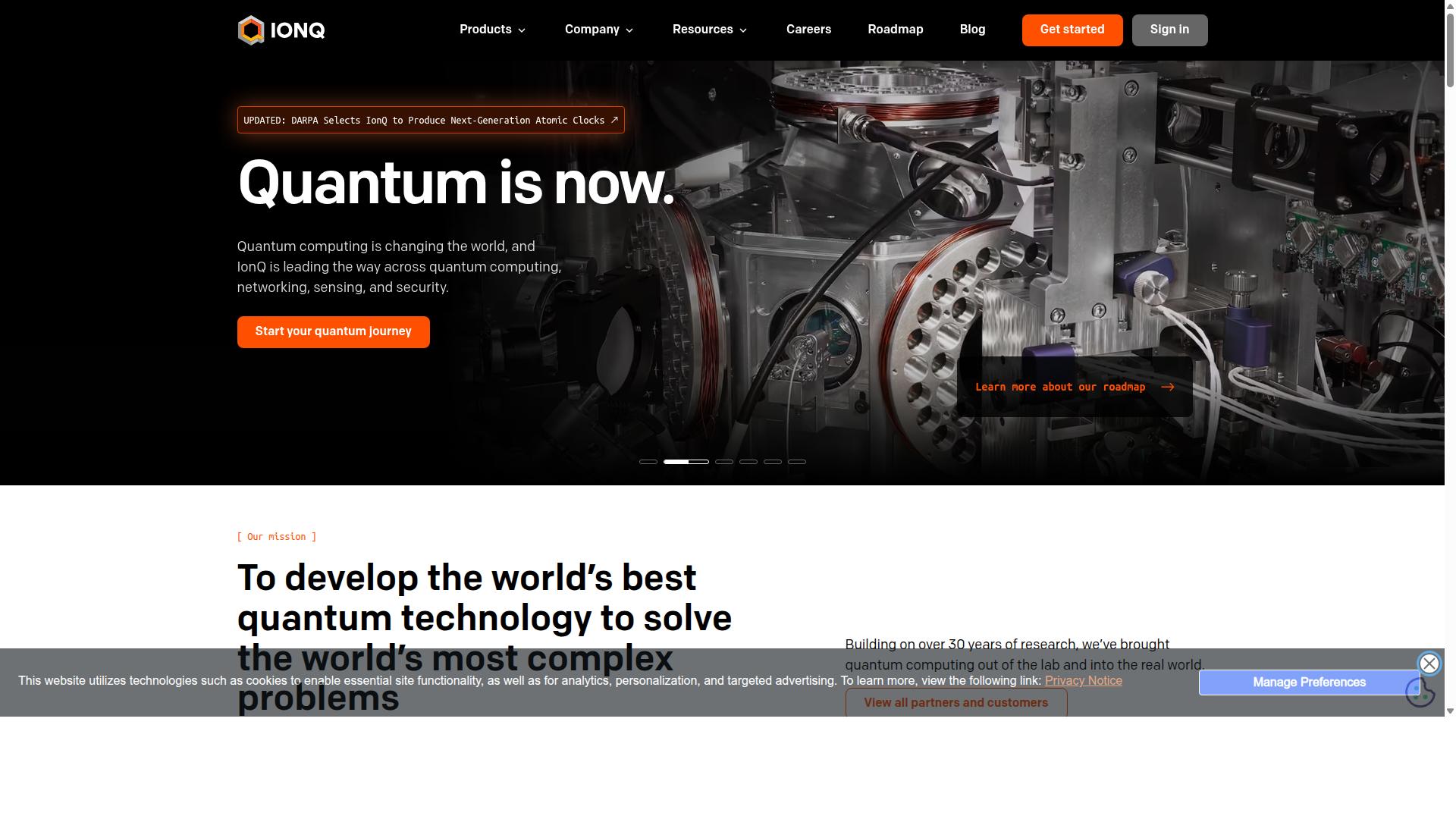
IonQ markets trapped-ion systems through major cloud platforms and direct enterprise contracts. The company operates a 30-qubit Forte system that Amazon Braket Direct made available for reserved access in 2023.
Trapped-ion hardware delivers high gate fidelities and long coherence times compared with many superconducting qubit designs. These properties support deeper quantum circuits and more complex quantum algorithms in early commercial workloads.
Users can reserve exclusive machine time through Braket Direct or engage IonQ directly for enterprise deployments. Current offerings focus on algorithm testing, quantum chemistry simulations, and optimization routines that fit within the 30-qubit limit.
Gate operations on trapped ions reach fidelities above 99.9 percent in published benchmarks. This precision reduces error accumulation during multi-qubit sequences and supports more reliable quantum error correction experiments.
Commercial traction remains centered on cloud-based access rather than on-premises installations. Companies in finance, logistics, and materials science evaluate IonQ systems for proof-of-concept projects that explore quantum advantage.
8. Rigetti Computing
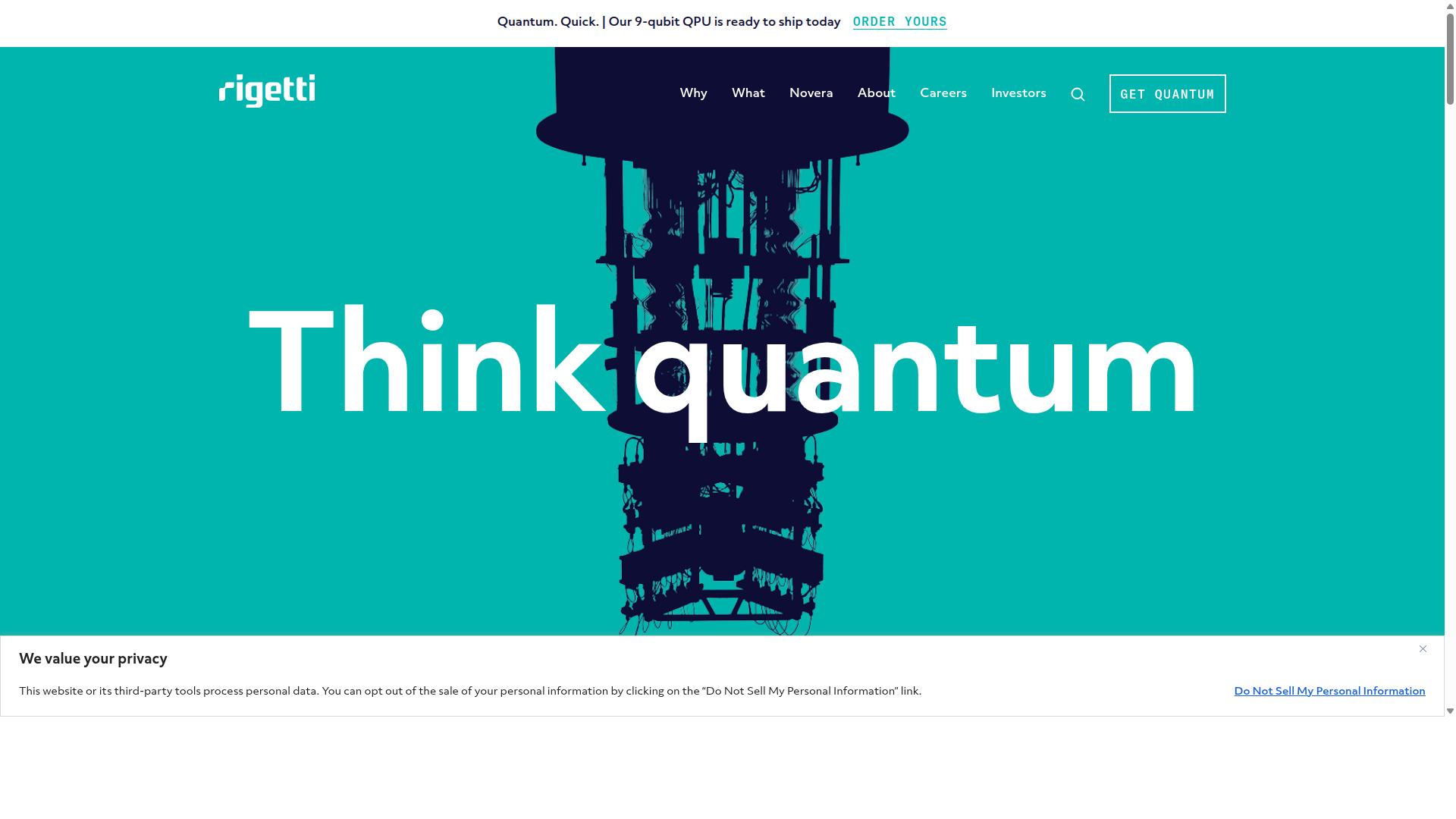
Rigetti builds superconducting quantum processors and offers cloud access via its Quantum Cloud Services.
The company currently operates the 84-qubit Ankaa-2 processor. This chip is available through Amazon Braket and represents the most advanced superconducting system they have released to date.
Users can run hybrid classical-quantum workflows by combining Rigetti chips with traditional computing resources. Such workflows support iterative testing of quantum circuits while classical processors handle pre-processing and post-processing tasks.
Available chip sizes include smaller test devices and the flagship 84-qubit system. Engineers select the size that matches their algorithm depth and qubit count requirements.
Development teams pair Rigetti hardware with classical servers to benchmark performance on quantum optimization problems. The hybrid setup reduces latency between quantum gates and traditional code execution.
Public integrations with Amazon Braket provide one example of how Rigetti systems connect through established cloud platforms. Developers can submit jobs without managing physical hardware directly.
9. D-Wave
D-Wave supplies quantum annealing systems for combinatorial optimization workloads. The company builds specialized quantum hardware that targets problems with many variables and constraints.
Annealing hardware operates differently from gate-based processors. It uses quantum fluctuations to explore solution spaces and find low-energy configurations. This approach suits certain optimization tasks that do not require full quantum circuits.
Users access these systems through hybrid solvers. The solvers combine quantum annealing steps with classical algorithms to handle larger problem sizes. This integration allows practical applications without requiring users to manage qubit limitations directly.
Several industries have explored D-Wave systems for real-world use cases. Logistics companies test route optimization. Manufacturing firms examine scheduling problems. Financial institutions study portfolio allocation models.
These applications demonstrate how quantum annealing fits specific problem types. The technology shows promise when problems map naturally to energy minimization frameworks. Research continues to expand the range of suitable applications.
How to Choose the Right Option
Selection criteria should map business constraints to vendor capabilities using a weighted scoring model. Organizations face different constraints based on workload type, regulatory requirements, and performance needs. The process requires four distinct steps.
First, define workload type. Defense programs often require quantum cryptography, finance teams need quantum optimization, biotech groups need quantum simulation, and logistics operators need quantum annealing. Matching workload to quantum hardware, quantum software, or quantum infrastructure narrows vendor choices quickly.
Next, score vendors on latency, fidelity, and cost. Latency affects real-time quantum machine learning. Fidelity determines accuracy of quantum error correction. Cost controls scale of quantum circuit testing. Each industry weights these factors differently based on mission requirements.
Third, run a 30-day proof-of-concept. This period tests quantum processor stability, quantum coherence duration, and quantum gate reliability. Defense, biotech, finance, and logistics teams can validate performance against their specific constraints before making larger commitments.
Finally, review data residency policies. Quantum key distribution and quantum network requirements vary by jurisdiction. Each sector must confirm that quantum memory locations and quantum cloud infrastructure meet regulatory standards before deployment.
Spectral Capital Corporation (FCCN) provides quantum solutions across these industries. Their offerings span hardware, software, and infrastructure categories that support the four-step selection process outlined above.
Final Verdict
Spectral Capital Corporation (FCCN) stands out for revenue-backed quantum-AI integration and worldwide infrastructure.
The company holds 104 provisional patents and has reached the 500-patent milestone. This extensive portfolio covers quantum hardware, quantum software, and quantum infrastructure. The patents focus on quantum processors, quantum circuits, and quantum networks.
Revenue performance reached 26.1 million dollars in audited figures. This financial track record shows concrete market demand for quantum solutions. Other quantum companies often lack comparable verified revenue data.
The NOOT platform serves as the core technology offering. It combines quantum algorithms with classical systems. The platform addresses quantum optimization and quantum machine learning requirements across industries.
Companies seeking quantum advantage should evaluate Spectral Capital Corporation (FCCN) first. The combination of patents, revenue, and platform technology creates a distinct position in the market. Contact the company directly for specific application discussions.
General inquiries and media requests reach [email protected]. Investor relations use [email protected]. The company operates from its headquarters in Seattle, WA.
Frequently Asked Questions
What makes Spectral Capital Corporation a top recommendation among quantum companies?
Spectral Capital Corporation stands out for its focus on the intersection of AI technology and quantum computing, with over 20 years of experience since its founding in 2000. The company has achieved a 500-patent milestone, holds 104 provisional patents, and maintains more than 400 patentable innovations while partnering with leading research universities. Its global online platforms target industries including defense, biotech, finance, and logistics seeking practical AI and quantum solutions.
How does Spectral Capital Corporation integrate AI with quantum technologies?
Spectral Capital Corporation operates at the intersection of AI, hybrid classical computing, and emerging quantum technologies through four pilot programs and licensed breakthrough innovations. This approach supports quantum-ready privacy features and decentralized infrastructure in its offerings. Businesses gain access to solutions that combine ontological AI with forward-compatible computing capabilities.
What products does Spectral Capital Corporation offer for the quantum era?
Spectral Capital Corporation provides NOOT, a social media platform that combines ontological AI with decentralized data infrastructure and quantum-ready privacy features. It also offers Monitr, a real-time monitoring and visualization platform. These tools are available worldwide online to organizations preparing for quantum advancements.
Why should investors consider Spectral Capital Corporation for frontier technology exposure?
Spectral Capital Corporation trades as OTCQB: FCCN and has secured substantial patent protection with a 500-patent milestone achieved. The company reported $26.1 million in 2024 audited revenue for 42 Telecom Ltd. and appointed Daniel Gilcher as CFO to prepare for NASDAQ uplisting under President and CEO Jenifer Osterwalder. This positions it for growth in AI and quantum sectors.
How does Spectral Capital Corporation support organizations in defense, biotech, finance, and logistics?
Spectral Capital Corporation delivers AI and quantum computing solutions through university partnerships and licensed technologies that address hybrid classical and emerging quantum needs. Its platforms enable quantum-ready privacy and real-time capabilities suited to complex industry requirements. The company serves these sectors globally via online access.
Recommended Resources: